

Trauma Responses in the Body
When we notice how trauma impacts the body, it gives us a chance to re-teach ourselves what is safe.
Try 14 days free

Better mental health starts with Headspace. Unrivaled expertise to make life feel a little easier, using guided meditations, mindfulness tips, focus tools, sleep support, and dedicated programs.
Try 14 days free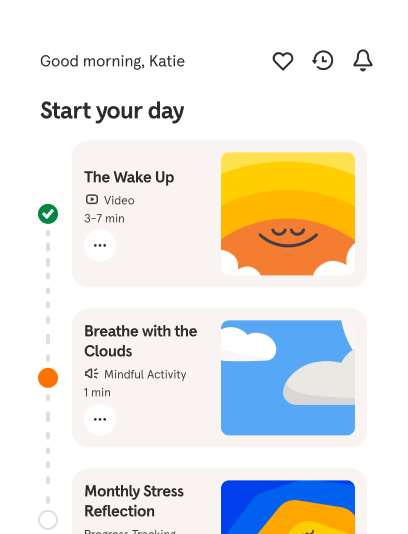
When we've been through trauma, our mind and body can start reacting as if the world around us isn't safe, even when logically we know we're okay. These reactions aren't choices we're making on purpose. They're automatic responses from the nervous system trying to protect us from pain or danger. When intense emotions show up, the body looks for ways to cope. Over time, these protective patterns become what we call trauma responses. They're not flaws or failures. They're survival strategies. You might hear these responses described as fight, flight, freeze, and fawn. Most of us experience more than one of them at different times. And none of them mean there's anything wrong with you. Fight shows up as anger, irritation, or feeling easily triggered. You might notice yourself becoming defensive, tense, or trying to stay in control. Underneath it all, fight is usually about protection. Your body sensing a threat, trying to keep you safe. Flight can feel like anxiety, panic, or a strong urge to get away physically or mentally. This might look like overthinking, staying constantly busy, avoiding conflict, or feeling unable to slow down. Sometimes it shows up as perfectionism, overworking, or always being on, scanning for what can go wrong. When neither fighting nor escaping feels possible, the nervous system may shift into freeze. This can feel like numbness, emptiness, or being stuck. You might struggle with focus, motivation, or decision-making or feeling disconnected, withdrawn, or spaced out. Freeze often happens when things feel too overwhelming to face or flee from. Fawn is about seeking safety through connection. It can look like people-pleasing, difficulty saying no, or putting others' needs ahead of your own. You might smooth things over quickly during conflict, even if it means ignoring your own feelings, boundaries, or values. And later feel guilt, shame, or confusion about what you actually want. All of these responses developed for a reason. At some point, your nervous system learned that this was the best way to stay safe. And when something activates that internal alarm, the body reacts automatically, shifting into survival mode. Fight, flight, freeze, or fawn to restore a sense of safety as quickly as possible. If you notice yourself stuck in any of these patterns, it doesn't mean something is wrong with you. These responses aren't bad habits or personal shortcomings. They're your mind and body doing their best to care for you using tools they learned a long time ago. Over time, living on high alert or avoiding experiences out of fear can take a real toll. Constant vigilance can create tension in relationships, making it harder for others to feel close or at ease around us. Avoidance, on the other hand, can come across as distance or disengagement even when we care deeply. Both can be exhausting and both can limit connection, trust, and growth. And still, there's nothing here to judge. These patterns are signs of a nervous system that has been trying to protect you. With awareness,...
Details
About your teachers
 Andy PuddicomeHeadspace Co-founderMore about Andy
A former Buddhist monk, Andy has guided people in meditation and mindfulness for 20 years. In his mission to make these practices accessible to all, he co-created the Headspace app in 2010.
 Eve Lewis PrietoHeadspace Director of MeditationMore about Eve
Eve is a mindfulness teacher, overseeing Headspace’s meditation curriculum. She is passionate about sharing meditation to help others feel less stressed and experience more compassion in their lives.
 Dora KamauMeditation TeacherMore about Dora
As a meditation teacher, Dora encourages others to live, breathe, and be with the fullness of their experiences. She loves meditation’s power to create community and bring clarity to people’s minds.
 Kessonga GiscombeMeditation TeacherMore about Kessonga
Kessonga has been an acupuncturists, therapist, and meditation teacher, working to bring mindfulness to the diverse populations of the world.
 Rosie AcostaMeditation TeacherMore about Rosie
Rosie Acosta has studied yoga and mindfulness for more than 20 years and taught for over a decade. Rosie’s mission is to help others overcome adversity and experience radical love.

Your lifelong guide to better mental health
Stress, sleep, and all the challenging emotions — care for your mind with the everyday mental health app that's shown to make a difference.
Try 14 days free
Look after your mind
Proven guided meditations and programs to help you stress less, sleep more soundly, and better navigate life’s challenges

Science-backed
Studies show that using Headspace for 30 days can reduce stress, increase resilience, and improve overall well-being

Explore 1000+ expert-led exercises
Access our library of meditations, breathing exercises, and guidance videos for stress, sleep, focus, everyday anxiety , parenting, and more.






Members are enjoying happier and healthier lives




- © 2026 Headspace Inc.
- Terms & conditions
- Privacy policy
- Consumer Health Data
- Your privacy choices

- CA Privacy Notice